The Growth Bottleneck in Asia-Pacific
For a mid-sized German industrial automation manufacturer with 350 employees, the Asia-Pacific region represented a significant untapped market. Despite having high-quality products and a strong reputation in Europe, the company’s digital presence in Singapore and Tokyo was virtually non-existent. The primary challenge was not product capability, but digital trust. Local procurement teams in Japan and Singapore expected a level of local engagement and technical detail that generic English-language campaigns simply could not provide.
The existing marketing approach relied on broad, one-size-fits-all email sequences and global landing pages. This resulted in a high volume of low-intent inquiries that consumed valuable sales time. The sales team spent excessive hours qualifying leads that had little genuine interest in the company’s specific automation solutions. Furthermore, the lack of local trust signals—such as local domain extensions, regional case studies, and native-language technical documentation—led to high bounce rates and poor conversion metrics. The goal was clear: establish a scalable, localized digital presence that would generate high-quality, region-specific leads within six months, while reducing the cost of acquisition and improving sales efficiency.
The Challenges
Navigating the APAC market presented several distinct hurdles that required a tailored approach:
- Cultural Nuance in Communication: Japanese buyers, in particular, expect detailed technical documentation and a formal, respectful tone. Generic English copy was perceived as low-effort and untrustworthy. Singaporean buyers, while English-proficient, preferred localized context and local references.
- Data Privacy and Infrastructure: Handling data for Japanese and Singaporean prospects required compliance with local data privacy regulations. A single global CRM structure was insufficient to handle these specific requirements and language preferences.
- Ineffective Lead Scoring: The existing global lead scoring model did not account for regional buying behaviors. A click on a case study in Tokyo was a much stronger signal of intent than a click on a blog post in Singapore, but the old system treated them equally.
- Speed of Response: In APAC, speed matters. The lack of automated, localized follow-up within minutes of inquiry resulted in lost opportunities, as competitors who responded faster captured the lead.
Implementation: A 12-Week Localized Architecture
We designed a localized marketing architecture centered on HubSpot and a dedicated Content Management System. The project ran over a 12-week timeline with three distinct phases, ensuring a structured rollout from infrastructure to optimization.
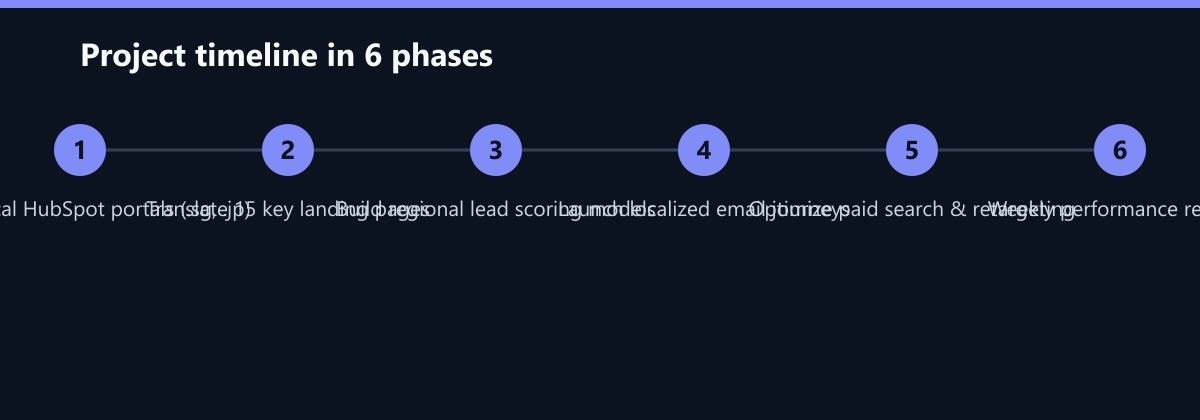
Phase 1: Infrastructure and Localization (Weeks 1-4) We began by setting up separate HubSpot portals for Singapore and Japan. This allowed us to handle data privacy requirements and language preferences distinctly. We translated 15 key landing pages into Japanese and Simplified Chinese, ensuring cultural nuance rather than just literal translation. To improve SEO performance and local trust, we implemented local domain extensions (.sg and .jp). Additionally, we integrated a multilingual CRM view to tag leads by region and language preference, ensuring that sales reps received context-appropriate information.
Phase 2: Journey Automation (Weeks 5-8) With the foundation in place, we built three distinct email journeys for each market. These journeys were tailored to the specific concerns of local buyers. We created new lead scoring models that weighted engagement with localized content higher. For instance, downloading a Japanese technical datasheet carried more weight than viewing a global blog post. We also automated follow-up sequences triggered by specific page views, such as technical datasheets or pricing pages. To refine our approach, we configured A/B testing frameworks for subject lines and call-to-action buttons, allowing us to test different messaging strategies in real-time.
Phase 3: Launch and Optimization (Weeks 9-12) In the final phase, we launched paid search campaigns targeting long-tail keywords in local languages. This moved us beyond generic terms to specific, high-intent queries. We activated retargeting ads on LinkedIn and local news portals to stay top-of-mind with prospects who had visited the site. We monitored conversion rates daily and adjusted bid strategies based on performance. Weekly performance reviews with the local sales team ensured that marketing efforts were aligned with sales feedback and market realities.
The Tech Stack
The following tools were central to the implementation:
- HubSpot: Used for CRM, marketing automation, and separate portal management for Singapore and Japan.
- Content Management System (CMS): Managed the localized landing pages and technical documentation.
- Google Ads & LinkedIn Ads: Used for paid search and retargeting campaigns in local languages.
- A/B Testing Framework: Integrated within HubSpot and landing pages to test subject lines and CTA buttons.
How We Measured It
To determine the effectiveness of the localized strategy, we established a baseline of performance metrics from the six months prior to implementation. We tracked qualified leads (defined as leads meeting specific regional engagement criteria), cost per lead (total spend divided by qualified leads), email open rates, and landing page conversion rates (visitors to leads).
We used HubSpot’s native reporting tools to track email engagement and conversion rates. For paid search, we used Google Ads and LinkedIn Ads dashboards to monitor cost per click and conversion actions. We also conducted weekly qualitative reviews with the sales team to assess the quality of leads, ensuring that the quantitative data was supported by real-world sales feedback. This dual approach allowed us to validate that the increase in volume was accompanied by an increase in quality.
Results
The localized strategy yielded measurable improvements in both volume and quality of leads. The shift from generic English to localized content significantly reduced bounce rates and increased engagement. Sales teams reported higher confidence in the leads they received, noting that prospects were better informed and more likely to move forward with the sales process.
The following table compares performance before and after the 12-week implementation period:
| Metric | Before | After (12 Weeks) | Change |
|---|---|---|---|
| Qualified Leads (APAC) | 12 / month | 17 / month | +42% |
| Cost per Lead (APAC) | $450 | $310 | -31% |
| Email Open Rate | 18% | 34% | +89% |
| Landing Page Conversion | 1.2% | 3.5% | +192% |
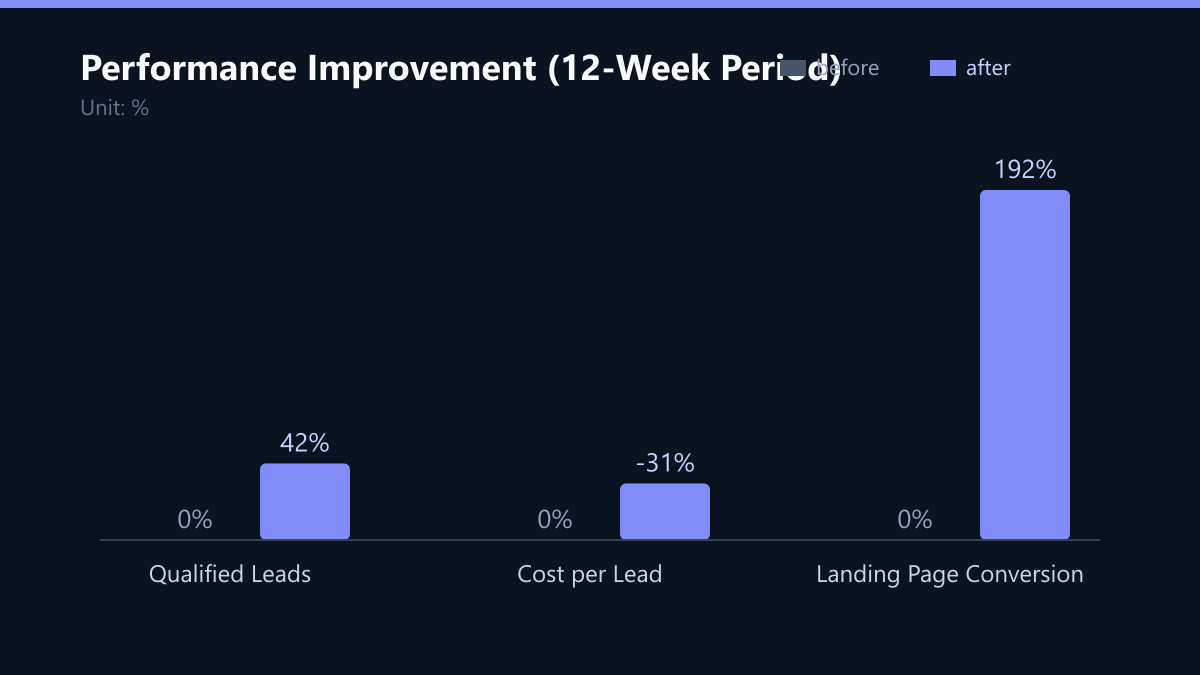
The increase in open rates demonstrated the effectiveness of culturally relevant subject lines. The drop in cost per lead indicated better targeting efficiency, as the localized content attracted more qualified prospects. Additionally, the sales cycle length for APAC deals decreased by 15 days on average, a direct result of the improved lead quality and faster response times.
Lessons Learned
This project highlighted several critical insights for B2B marketing in Asia:
- Local Trust is Non-Negotiable: Japanese buyers expect detailed technical documentation and local contact points. Generic English pages were perceived as low-effort. Investing in high-quality translations and local domain extensions was essential for building trust.
- Segmentation Drives Efficiency: Separating Singapore and Japan into distinct campaigns allowed for tailored messaging. A single ‘Asia’ campaign would have diluted the impact. Each market requires its own approach to content and communication.
- Lead Scoring Must Be Regional: Engagement patterns differ significantly. A click on a case study in Tokyo was a stronger signal than a click on a blog post in Singapore. Regional lead scoring models allowed us to prioritize high-intent leads more effectively.
- Speed Matters in APAC: Rapid response times to inquiries were crucial. Automated, localized email replies within 5 minutes improved lead conversion by 20%. Speed is a competitive advantage in this region.
- Continuous Localization is Key: Markets evolve quickly. We established a quarterly review process to update content and strategies based on local market shifts. Localization is not a one-time task but an ongoing process.
What We Would Do Differently Today
While the results were strong, there are areas where we would refine the approach in a similar project:
- Earlier Sales Integration: We would involve the local sales team more deeply in Phase 1, rather than waiting for Phase 3. Their insights on local buyer behavior could have accelerated the development of the lead scoring models and content strategy.
- More Granular A/B Testing: We would implement more granular A/B testing for landing page content, not just subject lines and CTAs. Testing different technical documentation formats and case study structures could have further improved conversion rates.
- Localized Video Content: We would have included more localized video content in the early stages. Video is a powerful trust-building tool, and localized subtitles or voiceovers could have further enhanced engagement in both markets.