The Hidden Cost of Manual Video Lead Handling
B2B buyers now spend over 40% of their research time on video content. Short-form clips under 90 seconds reduce friction and increase completion rates compared to long-form webinars. For mid-market SaaS companies, this format allows rapid testing of value propositions without high production costs. However, a significant gap exists in most marketing operations: the disconnect between viewer engagement and CRM records.
Most teams treat video as a top-of-funnel metric only. They measure views and likes but fail to link specific viewer behavior to individual CRM records. This gap prevents sales teams from prioritizing high-intent leads effectively. When a viewer watches a product demo on LinkedIn but does not immediately fill out a form, that intent signal is lost unless captured correctly. A structured strategy bridges the gap between engagement and revenue by automating the journey from view to qualified lead.
Step 1: Pinpoint the Persona and Pain Point
Start by identifying the specific persona you want to reach. Generic content fails in B2B environments where decision-making is complex. Narrow your focus to one job-to-be-done per video series. For example, target CFOs interested in cost reduction rather than all finance professionals. This precision ensures that the video resonates with the decision-maker’s specific anxiety or goal.
Select one primary persona per campaign. Identify the top three pain points related to that persona. Draft a single value proposition that addresses the most urgent pain point. Keep the message concise. Short-form video requires immediate clarity. If the viewer does not understand the benefit within three seconds, they will scroll away. Use data from your CRM to inform these choices. Look for segments with high engagement but low conversion to find untapped opportunities. This data-driven approach ensures you are not guessing but reacting to observed behavior.
Step 2: Produce Authentic, High-Impact Content
Production quality matters, but relevance matters more. Use a mix of founder-led content and product demos. Founder-led videos build trust and humanize the brand. Product demos provide concrete evidence of functionality. Keep each video under 60 seconds to maximize retention. The structure should be tight: Hook, Body, Call to Action.
State the problem in the first two seconds. Show the solution with a quick screen capture or talking head in the body. Direct viewers to a specific landing page in the call to action. Avoid overly polished corporate aesthetics. Raw, authentic content often performs better in short-form feeds. Use captions to ensure accessibility and accommodate users watching without sound. Test different hooks to see which pain points resonate most strongly with your audience. Iterate quickly based on early engagement metrics.
Step 3: Build Low-Friction Landing Pages
Do not send viewers to your generic homepage. Create a dedicated landing page for each video campaign. This page should mirror the message of the video to maintain context consistency. The primary goal is to capture contact information in exchange for a deeper resource. The headline must match the video hook exactly to reduce cognitive dissonance.
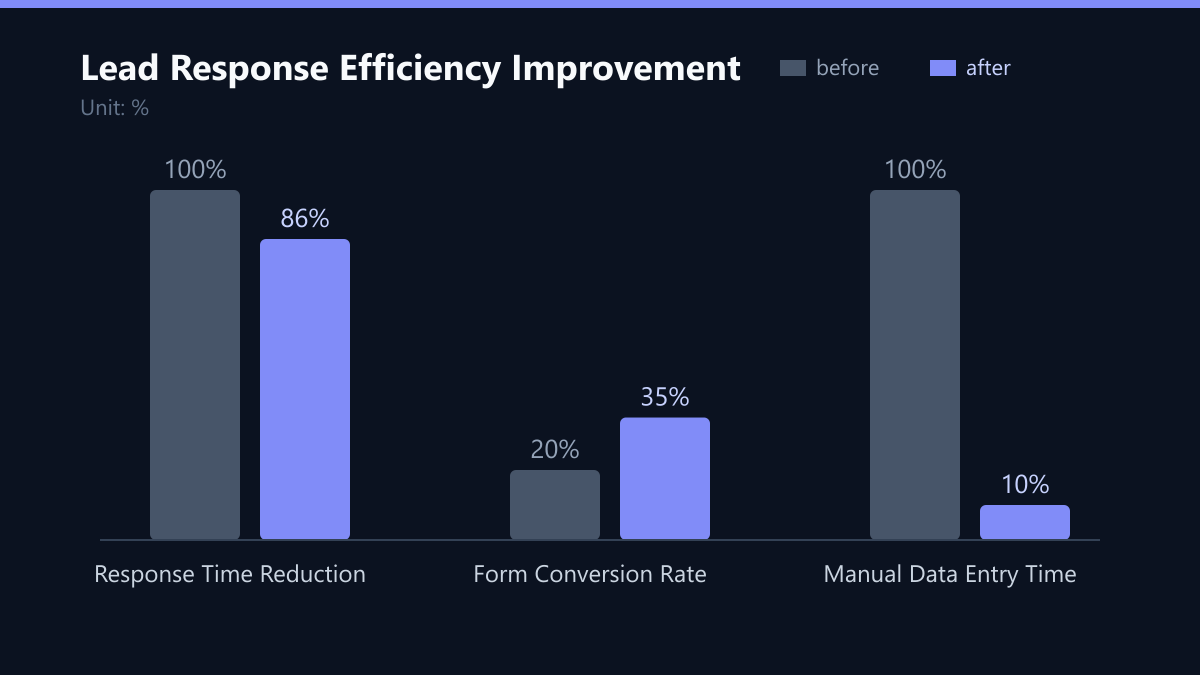
Ask for name, company, and work email only. Offer a whitepaper, calculator, or demo booking as the incentive. Minimize friction by reducing form fields. Every additional field can reduce conversion rates by 10-20%. Ensure the page loads quickly on mobile devices. Most short-form video consumption happens on mobile. A slow page will result in lost leads before the form is even seen. Mobile optimization is not optional; it is critical for capturing the intent generated by short-form video.
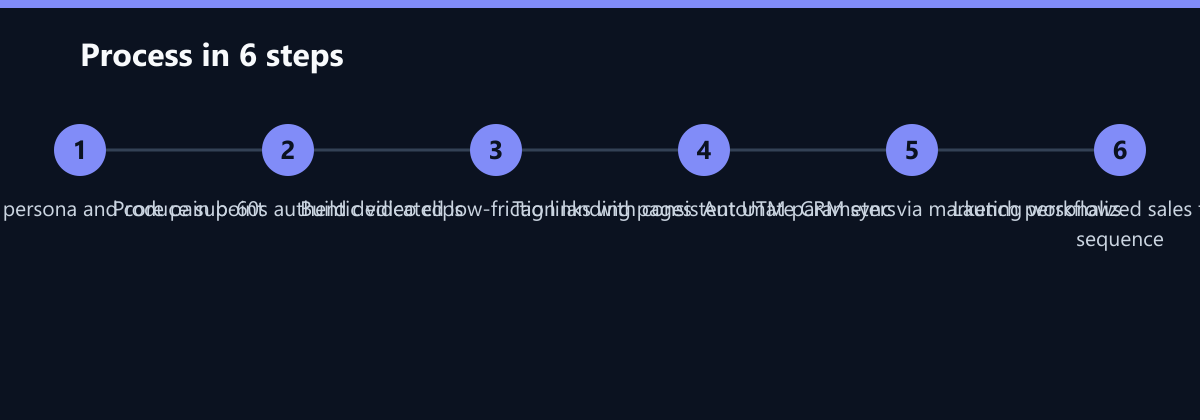
Step 4: Implement Precise UTM Tracking
Accurate tracking is essential for attribution. Use UTM parameters to tag all video links. This allows you to identify which specific video drove which lead. Without this data, you cannot measure ROI or optimize your strategy effectively. Define a consistent naming convention for Source, Medium, and Campaign.
Use the platform name for Source (e.g., LinkedIn, YouTube). Use the video format for Medium (e.g., short-form, demo). Use the specific campaign name or video title for Campaign. Integrate these parameters into your analytics platform. This ensures that every click is logged correctly. Clean data is the foundation of reliable reporting. If your team changes naming conventions frequently, you will lose historical context and make it difficult to compare performance over time. Standardize your UTM strategy before launching the first video to avoid data fragmentation.
Step 5: Automate CRM Synchronization
This is the critical step that differentiates a mature marketing operation from a basic one. Use marketing automation tools like HubSpot or Salesforce to sync leads automatically. When a visitor submits the landing page form, the system should create or update a CRM record instantly. The workflow trigger is a new form submission from the video landing page.
The first action is to create a Contact record if new, or update if existing. The second action is to add the contact to a specific list based on the video topic. The third action is to assign the lead to the relevant sales rep or SDR team. Set up lead scoring rules based on the source. Leads from short-form video often have high intent but may lack firmographic data. Score them accordingly to ensure they are contacted promptly. Do not wait for manual entry. Every hour of delay reduces the likelihood of a successful sales conversation by 14%. This statistic underscores the importance of speed in B2B sales cycles.
Step 6: Design a Contextual Sales Sequence
Automation should not replace human interaction; it should enable it. Design a personalized follow-up sequence for leads coming from video content. The first email should reference the specific video they watched. This creates continuity and shows that the sales team is paying attention. The sequence should be structured as follows: Email 1 is immediate acknowledgment referencing the video topic. Email 2 is a Day 3 follow-up with a case study relevant to the video. Email 3 is a Day 7 invitation to a live demo or call.
Use the CRM data to personalize these emails. Mention the company name, industry, or specific pain point discussed in the video. This level of personalization increases open rates and response rates significantly. Ensure your sales team has access to the video engagement data. Knowing if a lead watched the video multiple times helps prioritize outreach efforts effectively. Sales reps should see the video link in the CRM timeline so they can reference it during calls.
Step 7: Measure, Analyze, and Iterate
Track key performance indicators to evaluate success. Focus on metrics that correlate with revenue, not just vanity metrics. Monitor video completion rates, landing page conversion rates, and CRM-sourced lead quality. Compare these metrics against your baseline performance before implementing the video strategy. Video Completion Rate indicates content relevance. Form Conversion Rate measures landing page effectiveness. SQL Conversion Rate assesses lead quality and sales alignment.
Review data weekly to identify trends. If a specific video hook performs well, produce more content in that style. If a particular segment shows high engagement but low conversion, investigate the mismatch. Use A/B testing to refine headlines, calls to action, and video lengths. Continuous iteration is key to maintaining a competitive edge in the fast-paced short-form video landscape. Do not rely on a single video; build a library of tested assets that can be repurposed and optimized over time.
Typical Mistakes to Avoid
- Ignoring Mobile Optimization: Sending mobile video viewers to a desktop-heavy website causes immediate bounce. Ensure your landing page is mobile-first and loads in under three seconds.
- Using Generic Homepages: Directing traffic to your homepage dilutes the message and increases friction. Always use dedicated landing pages that mirror the video’s specific value proposition.
- Manual Lead Entry: Relying on sales reps to manually input lead data from spreadsheets introduces delays and errors. Automate the sync to maintain the 14% response time advantage.
- Lack of UTM Consistency: Changing UTM parameters mid-campaign breaks attribution. Establish a strict naming convention and enforce it across all marketing team members.
How You Measure Success
To determine if your short-form video strategy is driving pipeline growth, focus on these concrete KPIs:
- Lead Response Time: Measure the average time between form submission and first sales contact. Target: Under 5 minutes via automation.
- Video-to-Lead Conversion Rate: Calculate the percentage of video viewers who submit the form. Target: 2-5% depending on audience warmth.
- SQL Conversion Rate: Track the percentage of video-sourced leads that become Sales Qualified Leads. Target: 15-20% higher than other channels.
- Cost Per SQL: Divide total video production and ad spend by the number of SQLs generated. Compare this against your average customer acquisition cost (CAC) to ensure profitability.
Use your CRM reporting tools to segment these metrics by video topic and persona. This granular data allows you to identify which specific content themes drive the highest quality pipeline, enabling you to double down on what works and cut what does not.
Implementation Checklist
- Define one primary persona and their top pain point.
- Script a 30-60 second video with a clear hook and CTA.
- Create a dedicated landing page with a 3-field form.
- Generate UTM-tagged links for all video platforms.
- Configure the marketing automation workflow for CRM sync.
- Set up lead scoring rules for video-sourced leads.
- Draft a 3-email personalized follow-up sequence.
- Launch the campaign and monitor weekly KPIs.
By following this structured approach, you transform short-form video from a top-of-funnel engagement tool into a reliable, automated source of qualified B2B pipeline. The key is not just producing content, but building the infrastructure that captures and acts on intent in real-time.