The Strategic Value of Regional Credibility
For B2B companies operating in the DACH region, national media presence is often seen as a prestige metric, but regional business journals are the true drivers of pipeline growth. Publications in Germany, Austria, and Switzerland reach specific industrial clusters, touching 5,000 to 50,000 targeted professionals who hold direct decision-making power in local economies. Unlike national outlets that prioritize broad appeal, regional editors curate content based on its impact to their specific economic zone. This creates a high signal-to-noise ratio for your brand, where every mention is perceived as highly relevant and credible.
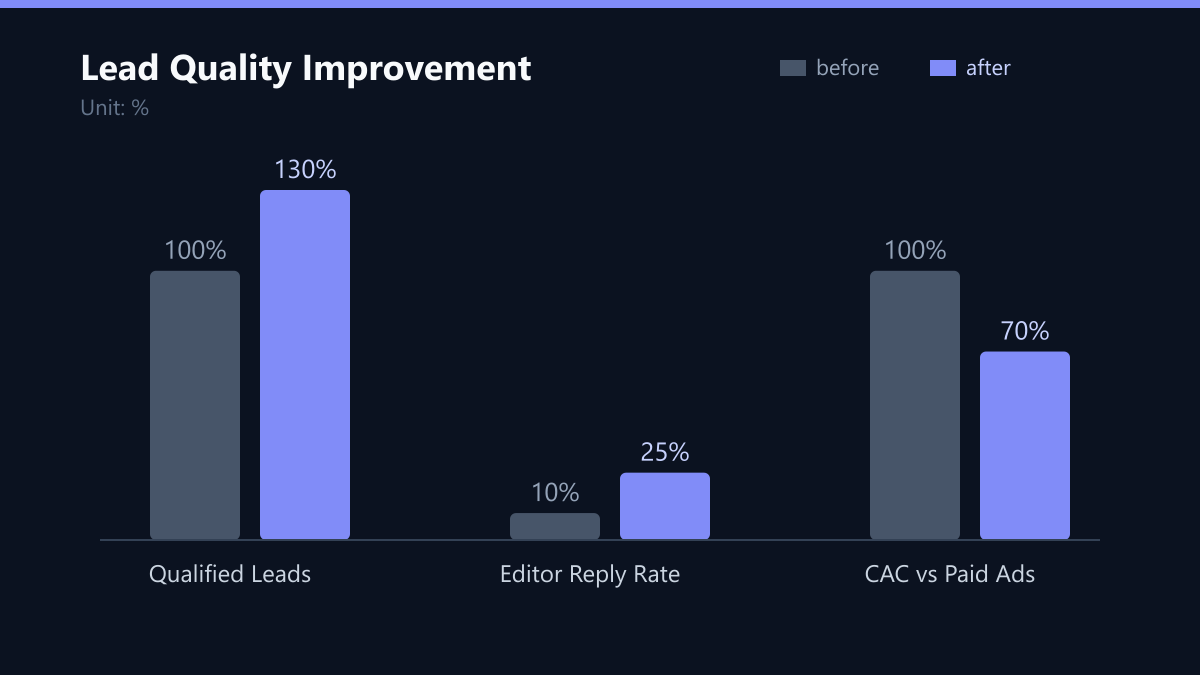
The financial impact of this credibility is measurable. Data indicates that a feature in a local journal can drive 20% to 30% more qualified inbound leads than generic national campaigns. This uplift occurs because readers view local media as trusted sources for business intelligence, not just marketing noise. This trust factor significantly shortens the sales cycle for mid-market accounts, as prospects arrive with pre-established confidence in your firm’s local standing. Editors in these regions possess deep expertise in sectors like manufacturing, logistics, and fintech, meaning they are looking for content that solves specific regional economic challenges. Treating regional PR as a lower-tier version of national PR is a strategic error. It is a distinct channel with its own rules, rewards, and audience expectations. Success requires a deep understanding of the local business ecosystem and a narrative that fits seamlessly into the regional context.
Mapping the Local Media Landscape
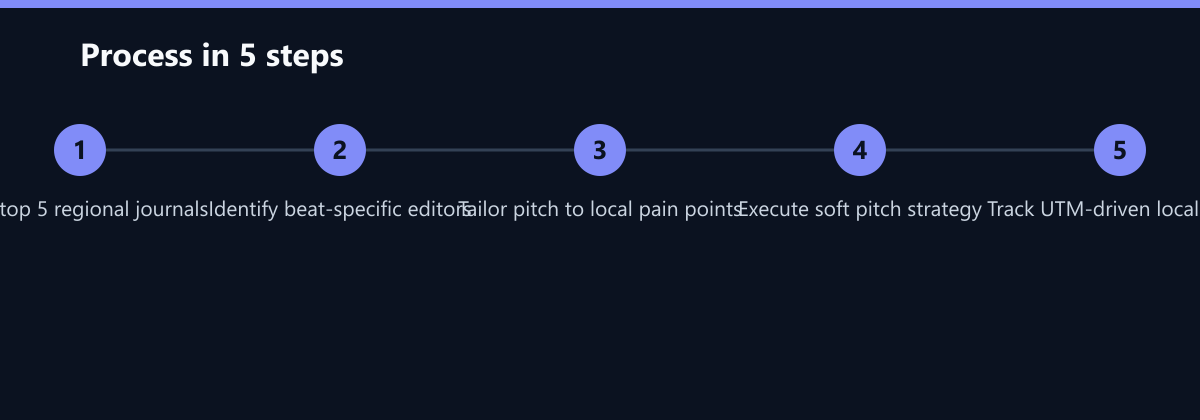
The first step in a successful local PR strategy is precise mapping. You must identify the top five business journals in your target regions. In Germany, this includes regional editions of Handelsblatt or local supplements of Wirtschaftswoche. In Austria, focus on the business sections of Der Standard or local business pages in Kurier. In Switzerland, target NZZ regional business reports or Handelszeitung.
Create a comprehensive spreadsheet to track each outlet. For every publication, record the name of the business editor, their specific beat, and a log of their recent article topics. This data is the foundation of personalization. Sending generic press releases to all editors is ineffective because each editor has a distinct interest area. Some focus on startup growth, while others cover industrial innovation or supply chain logistics. You must match your story to their beat. For instance, if you are a SaaS company in Munich, pitch to the editor covering tech innovation in the Bavarian region. If you are in Zurich, target the editor covering Swiss fintech.
Build a list of 10 to 15 key contacts and keep this list updated quarterly. Editors change jobs frequently, and a stale contact list leads to low response rates. Use LinkedIn to verify current roles and engage with their content by commenting on recent articles. This builds familiarity before you pitch, showing you are a reader, not just a vendor. This small effort increases your reply rate by 15% to 20%, turning cold outreach into warm conversations.
Crafting Locally Resonant Narratives
Your product may be global, but your story must be local. Editors reject generic press releases that lack regional relevance. You need to connect your B2B solution to local economic trends. For instance, if you offer supply chain software, highlight how it helps local manufacturers meet EU sustainability standards. If you sell HR tech, discuss the shortage of skilled workers in your specific region. Use local data to support your claims. Cite statistics from regional chambers of commerce or local economic development agencies. This makes your story feel native to the area.
Avoid using global case studies unless they involve local clients. If you have no local clients yet, use local industry benchmarks. Show how your solution addresses problems unique to the region. For example, Swiss companies face high labor costs. A productivity tool that reduces overtime by 15% is a strong local angle. German companies in automotive face strict emission regulations. A compliance tool that automates reporting is highly relevant. Frame your value proposition around these local pain points. Do not lead with your feature list. Lead with the local problem. Then introduce your solution as the answer. This structure respects the editor’s need for newsworthy local content and resonates with the local reader base. Keep the narrative concise. One clear local insight beats ten global features.
The Soft Pitch Relationship Strategy
Relationships are the currency of local PR. Editors in regional journals often receive hundreds of pitches daily. They prioritize sources they trust. You must become a trusted source over time. Start by offering exclusive insights before pitching a story. Send them data points or expert quotes that they can use in their existing articles. This is called a soft pitch. It requires no effort from the editor and builds goodwill. After three to five successful soft pitches, you can propose a full feature. Always follow up with a thank-you note after any coverage. Mention the article in your internal communications. This shows you value their work and encourages future collaboration.
Do not be pushy. Respect their editorial independence. If they decline a story, ask for feedback. Learn why it did not fit. Adjust your next pitch accordingly. Attend local business events where editors may be present. Networking face-to-face accelerates trust. Exchange business cards and follow up within 24 hours. Keep the interaction professional and concise. Aim for two to three interactions per month with key editors. Consistency is key. Do not disappear for six months and then pitch a major story. Regular, low-friction communication keeps you top of mind. This approach turns one-off features into a steady stream of coverage.
Measuring Local PR Impact
You need to track the ROI of your local PR efforts. Do not rely on impressions alone. Track the number of unique visitors to your website from local domains. Use UTM parameters in any links provided to editors. Monitor the increase in branded searches in your target regions. A spike in searches after a feature indicates high impact. Track the number of qualified leads mentioning the article in their initial contact. This is the most direct metric of success. Set a baseline before launching your PR campaign. Compare post-campaign data against this baseline. Aim for a 10% to 15% increase in local qualified leads. Also measure the cost per acquisition. Compare it to your paid advertising costs. Local PR often has a lower CAC than paid channels. This is because the trust factor reduces friction. Report these metrics to your leadership team quarterly. Show the direct link between media coverage and pipeline growth. This justifies the budget for ongoing PR activities. If you see low engagement, revisit your local angle. Perhaps the story did not resonate with the local audience. Adjust your strategy accordingly. Continuous measurement ensures your PR efforts remain efficient and effective.
Typical Mistakes to Avoid
- Generic Pitching: Sending the same press release to all regional editors. This ignores their specific beats and leads to immediate rejection. Always tailor the angle to the editor’s focus.
- Lack of Local Data: Relying solely on global statistics. Regional editors want data that reflects their specific economic zone. Always cite local chamber of commerce or regional agency stats.
- Inconsistent Engagement: Disappearing for months between pitches. Editors value consistent, low-friction communication. Aim for regular soft pitches and updates to stay top of mind.
How You Measure Success
- Qualified Lead Increase: Track the percentage increase in leads mentioning the article. Target a 10% to 15% uplift over baseline.
- Editor Reply Rate: Monitor the response rate to your pitches. A well-targeted strategy should achieve a 15% to 20% reply rate.
- Cost Per Acquisition (CAC): Compare the CAC of PR-driven leads to paid advertising. Local PR should show a lower CAC due to higher trust and lower friction.
Implementation Checklist
- Map the top 5 regional journals in your target DACH regions.
- Identify 10 to 15 key editors and their specific beats.
- Verify editor contact details via LinkedIn and update quarterly.
- Develop a local angle connecting your product to regional economic trends.
- Execute 3 to 5 soft pitches to build trust before requesting a feature.
- Set up UTM tracking to measure local domain traffic and lead source.